





Messages bounce, inbox placement drops, and sender reputation starts to slip without clear warning signs. Many teams only notice the damage when performance already falls.
Email verification tools exist to stop this from happening early.
They help sales and marketing teams verify email addresses before campaigns go out, flag risky addresses, and reduce exposure to spam traps. Used correctly, email verification becomes a quiet but powerful layer that protects outreach, lead generation, and long-term email deliverability.
This article walks through how email verification works today, what makes the best email verification tools suitable for B2B marketing, and how teams choose the right email verification tool without overthinking it.
Along the way, we’ll look at bulk email verification, real time verification, API access, and how these tools fit into marketing platforms and sales workflows. Let’s go then.
Why email verification matters in B2B marketing
It’s totally normal that B2B email lists decay. Job changes, company restructures, mergers, layoffs, and internal IT policies constantly reshape corporate inboxes. An email address that worked six months ago may already be invalid today. Even high-intent leads turn into invalid addresses without warning.
For example, a SaaS sales team may attend a trade show and collect hundreds of contacts. The list looks valuable at first glance. Once uploaded into an email outreach platform, bounce notifications start appearing. Some emails fail immediately. Others accept messages but never engage. This pattern signals a mix of invalid addresses, catch all domains, and risky email addresses.
Email verification tools prevent these issues before campaigns start.
By verifying email addresses in advance, teams reduce bounce rates and protect sender reputation. This protection matters because email service providers evaluate sending behavior continuously. Once sender reputation drops, even valid email addresses receive fewer messages in the inbox.
Verification tools for B2B marketing also reduce exposure to spam traps. These addresses often sit inside old databases or scraped lists. Sending to them repeatedly signals poor hygiene and can trigger long-term deliverability problems. Regular email verification breaks this cycle and stabilizes inbox placement over time.

How email verification tools actually work
Email verification tools rely on layered checks rather than one simple test. The goal is to determine whether an email address exists and can receive messages without sending a real email. This approach protects domain reputation while still delivering accurate results.
The email verification process usually starts with syntax checks. These identify formatting issues like missing symbols, extra spaces, or domain typos. Syntax errors may seem basic, but they still account for a surprising number of invalid email addresses in large lists.
Next comes domain validation. Verification tools check MX records to confirm that a domain can receive mail. If no mail server exists, the email address is marked invalid immediately. This step removes entire groups of unusable addresses quickly during bulk verification.
More advanced verification tools perform SMTP verification attempts. These simulate a message exchange with the mail server without delivering a message. Based on server responses, tools classify addresses as valid, invalid, catch all, or risky. This classification is critical for B2B teams that want nuance instead of a simple yes or no result.
Disposable email detection and temporary email addresses are flagged during this stage as well. These inboxes often appear in gated content downloads or low-quality lead sources. Removing them early protects email deliverability and keeps marketing platforms clean.
Bulk email verification and list cleaning at scale
Bulk email verification becomes essential once lists grow beyond a few hundred contacts. B2B sales and marketing teams often manage thousands or tens of thousands of email addresses across campaigns, CRM systems, and spreadsheets. Cleaning these lists manually is impossible.
Bulk verification tools process entire lists asynchronously. Users upload a file or connect a data source, and the system verifies email addresses in batches. Each address consumes verification credits, and results return with clear classifications.
For example:
A marketing team preparing a quarterly product update might upload their full mailing list for bulk verification. The results show valid email addresses ready for sending, invalid addresses to remove, risky addresses to review, and catch all emails to segment carefully. This process turns guesswork into a clear decision path.
Bulk list cleaning also supports re verify workflows. Lists that were clean six months ago may need another pass before the next major campaign. Regular bulk verification helps teams keep lists usable without waiting for performance to drop.
Real time verification and form protection
Real time verification works at the moment an email address enters your system. Instead of cleaning lists later, this approach stops bad data at the source. Real time verification checks email addresses as users submit forms, sign up for trials, or request demos.
In B2B marketing, this matters most for lead generation. High-value forms attract spam bots, disposable email addresses, and fake signups. Real time verification filters these entries immediately, preventing them from entering CRM systems or marketing automation platforms.
For example:
Your company can offer enterprise demos and may receive dozens of form submissions daily. Without real time verification, sales teams waste time chasing unreachable leads. With instant verification in place, only verified contact details move forward.
Real time verification relies on API access or native integrations. Good verification tools perform these checks quickly enough that users never notice a delay. The verification process runs quietly while forms submit normally.
Email verification tools vs email finders
Email finders and email verification tools often get grouped together, but they serve different purposes. Email finders suggest possible email addresses based on names and domains. Email verification tools confirm whether those addresses can safely receive messages.
In B2B workflows, these tools usually work together. A sales team might use an email finder to build a prospect list, then run bulk email verification before launching outreach. Verification tools catch invalid addresses, risky email addresses, and catch all domains that email finders cannot fully assess.
Some platforms combine email finder features with verification tools. While convenient, teams should evaluate accuracy carefully. A powerful email verification tool focuses on verification depth and sender reputation protection, not just discovery volume.
What makes the best email verification tools for B2B
The best email verification tools for B2B marketing balance accuracy, speed, and clarity. Accuracy matters most. Tools must detect invalid addresses, spam traps, and risky patterns without overblocking legitimate contacts.
Speed supports workflow efficiency. Bulk email verification should handle large lists without long delays. Real time verification should respond quickly enough to protect forms without harming user experience.
Integration matters as well.
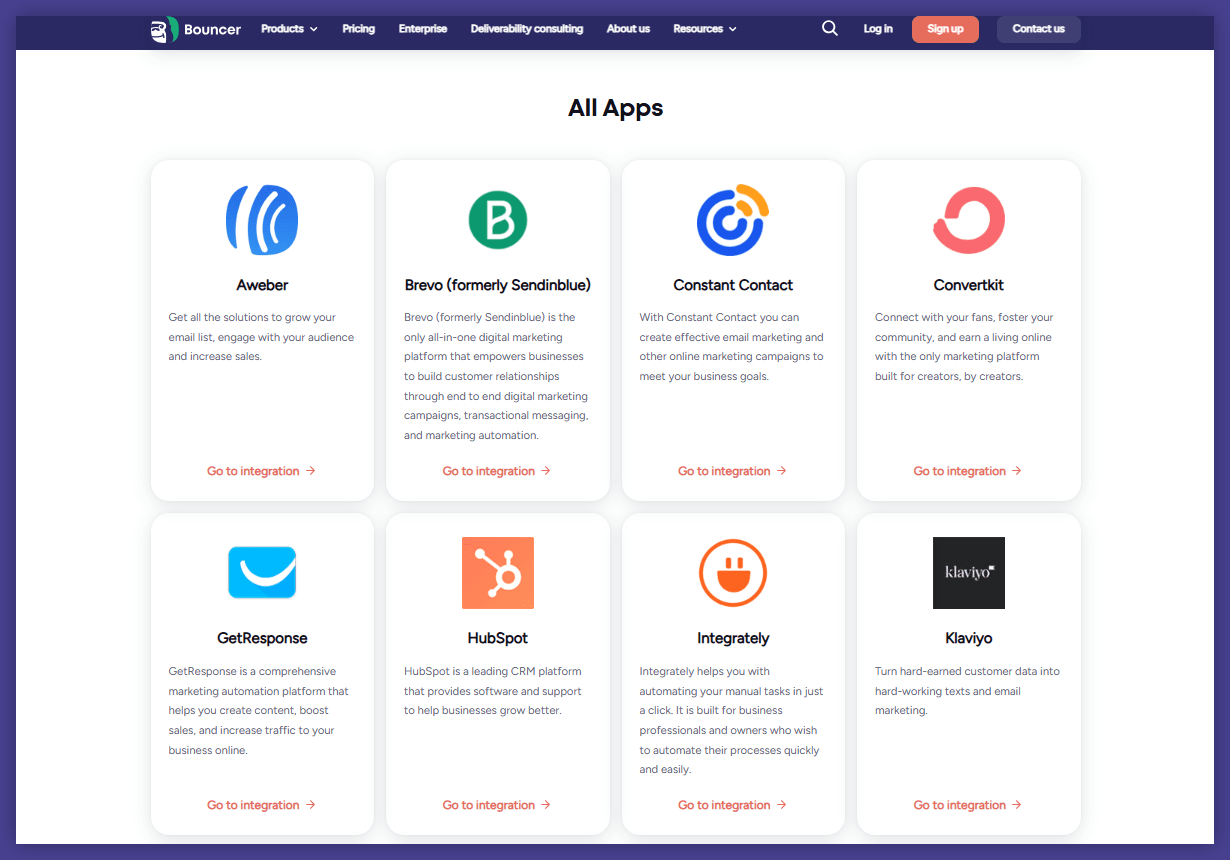
Verification tools should work smoothly with marketing platforms, email outreach platforms, and marketing automation tools. Google Sheets add on options help teams working in spreadsheets, while API access supports custom workflows.
Clear classification separates strong tools from basic ones. Labels like invalid addresses, risky addresses, catch all emails, and disposable inboxes help teams act confidently instead of guessing.
Sender reputation and inbox placement in practice
Sender reputation acts like a credit score for email domains. It reflects bounce rates, engagement signals, and complaint history. Once damaged, it takes time and discipline to recover.
Email verification tools protect sender reputation by removing invalid or risky addresses before sending. This prevention reduces bounce rates and supports consistent inbox placement across campaigns.
For example:
A B2B newsletter sent to a verified list sees steadier open rates and fewer delivery warnings. Inbox placement improves gradually as email service providers see consistent behavior.
Inbox placement testing tools measure results after sending. Email verification tools prevent problems before sending. Together, they support reliable email deliverability without constant troubleshooting.
Spam traps, catch all emails, and risky addresses explained
Spam traps are inboxes designed to identify poor sending practices. They appear in old lists, scraped data, or abandoned domains. Email verification services reduce exposure by flagging suspicious patterns early.
Catch all emails belong to domains that accept all messages without confirming individual inboxes. These addresses may deliver, but they hide invalid recipients. Verification tools classify catch all emails separately so teams can segment or limit sends.
Risky email addresses include inboxes with inconsistent server responses, low activity signals, or temporary usage patterns. Sending to them occasionally may work, but repeated exposure weakens sender reputation over time.
Email verification tools and Google Sheets workflows
Google Sheets remains a central workspace for many B2B teams. Verification tools with a Google Sheets integration on (like via Zapier, in Bouncer’s case) simplify list management without exports or uploads.
Teams can verify email addresses directly inside spreadsheets, apply filters, and track results collaboratively. This setup supports bulk verification, re verify workflows, and ongoing list hygiene.
For example, a sales operations team managing multiple lead sources can verify new entries weekly inside Google Sheets. This keeps contact data consistent across departments.
Pricing models, free plans, and verification credits
Okay, but what about costs? Email verification software usually uses verification credits. Each email address consumes one credit during verification. Monthly plans bundle credits, while larger teams may purchase flexible packages.
Free plan options help teams test accuracy and integrations. They often include limited credits and fewer features. Paid plans unlock API access, automated email verification, and higher throughput.
Choosing between monthly plans and flexible credits depends on usage patterns. Sales teams running daily outreach benefit from predictable plans. Marketing teams running periodic campaigns may prefer pay-as-you-go options.
How sales and marketing teams use verification tools differently
Sales teams use email verification to improve outreach efficiency. Verified email addresses reduce bounce handling, improve reply rates, and protect domain reputation during cold outreach.
Marketing teams focus on campaign stability. Bulk verification protects newsletters, nurture sequences, and product announcements. Clean lists improve inbox placement and reduce email service provider warnings.
Shared verification tools align both teams and prevent duplicate work. Clean data flows across systems without friction.
Choosing the right email verification tool
The right email verification tool depends on list size, frequency, and risk tolerance. A small sales team sending a few hundred emails per week needs different safeguards than a marketing team running large email campaigns across multiple platforms. The goal is not to find the most complex tool, but one that fits how your data actually moves.
Testing tools with real lists offers the clearest insight. Running the same file through different verification tools shows how each one handles invalid addresses, risky addresses, and catch all emails. Differences in classification often reveal how cautious or aggressive a tool really is.
A good verification tool fits into existing workflows instead of forcing teams to change how they work. Before committing, it helps to look closely at what the tool does well and where it may fall short.
When evaluating email verification tools for B2B marketing, these areas matter most:
- Accuracy of results. The tool should reliably identify invalid email addresses, risky email addresses, and spam traps without overblocking legitimate contacts. Overly aggressive tools may label usable email addresses as invalid, which leads to lost opportunities rather than protection.
- Clear classification logic. Results should be easy to understand. Labels like valid, invalid addresses, risky addresses, and catch all emails help teams decide what to send, what to suppress, and what to review manually. Ambiguous labels slow down decisions and create confusion.
- Bulk verification performance. Bulk email verification should handle large lists smoothly without long delays or timeouts. This matters for marketing teams preparing campaigns and sales teams uploading new lead lists regularly.
- Real time verification support. Real time verification helps protect forms, trials, and lead generation flows. The tool should support instant verification through API access or native integrations without interrupting user experience.
- Integration options. Strong tools connect easily with marketing platforms, email outreach platforms, and marketing automation tools. A Google Sheets add on is especially useful for teams managing lists in spreadsheets.
- API access and automation. API access supports automated email verification across systems. This matters for teams that want verification to run quietly in the background instead of relying on manual uploads.
- Handling of catch all and risky addresses. Not all catch all emails behave the same. A good tool flags them clearly and avoids guessing. Risky addresses should be identified with enough context to guide smart sending decisions.
- Spam trap and disposable email detection. The tool should recognize spam traps and temporary email addresses without relying on outdated lists. This protects sender reputation over time rather than reacting after damage appears.
- Reporting and visibility. Simple reporting helps teams understand what happened during the verification process. Clear counts of verified emails, invalid emails, and risky addresses support better planning and cleaner lists.
- Pricing transparency. Verification credits, monthly plans, and free plan limits should be easy to understand. Hidden limits or unclear pricing create friction when teams scale verification.
Based on this, we can tell you that Bouncer is a perfect solution for your B2B marketing.
Why?
Bouncer as an email verification service for B2B marketing
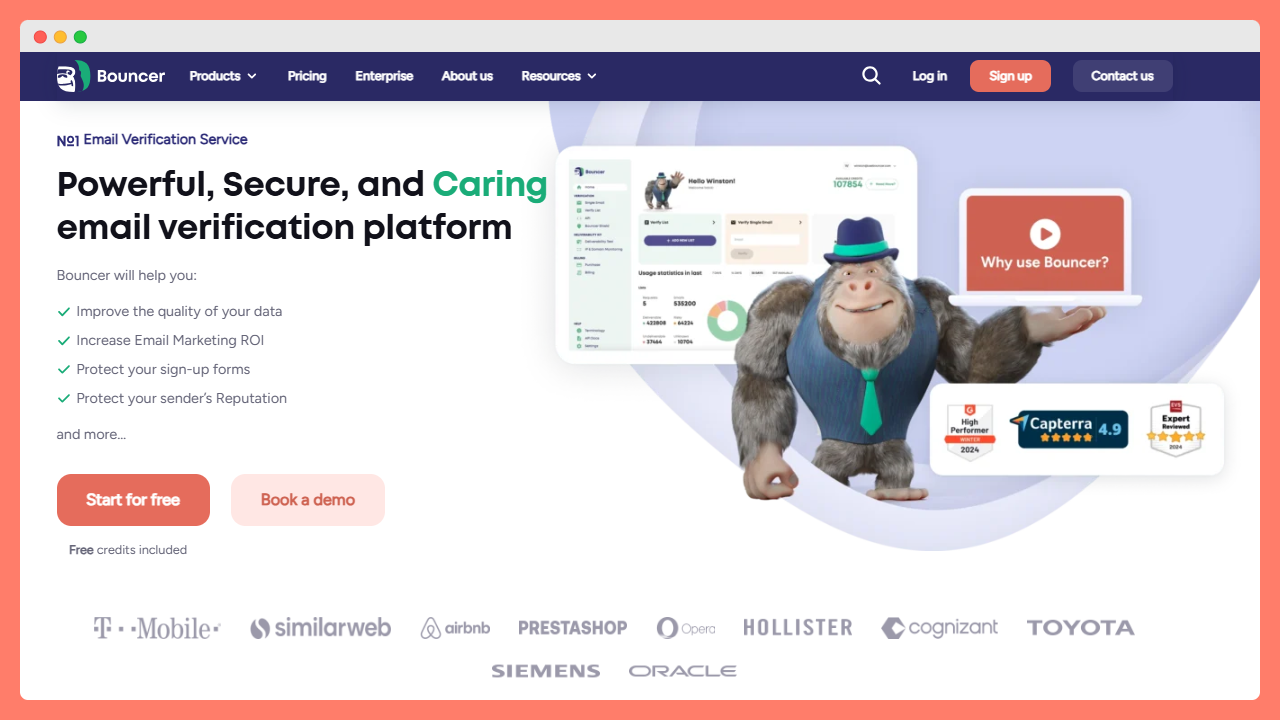
Bouncer is built for teams that take sender reputation seriously. It focuses on accurate email verification without aggressive tactics that could harm domain reputation. Bouncer supports bulk email verification, real time verification, and automated email verification through API access.
The platform detects invalid email addresses, risky email addresses, disposable email domains, and catch all emails with clear classification. Bouncer also includes spam trap detection logic designed to reduce long-term deliverability risk.
Bouncer integrates with many different tools, CMSs, other email systems, and more, for example, through Zapier. It can connect smoothly with marketing automation platforms and email outreach tools as well. Its interface stays simple while supporting advanced workflows.
Bouncer offers free credits, so you can try this platform at no cost. There are also flexible monthly plans, and transparent verification credits. Sales and marketing teams use it to verify emails before campaigns, protect sender reputation, and maintain stable inbox placement across channels.
You can try Bouncer here or learn more about email verification tools here.
Other email verification tools for B2B marketing
Beyond Bouncer, there are several verification tools that B2B teams use to protect their email programs and improve inbox placement. Each solution has strengths and a typical use case, and seeing them side by side helps you understand alternatives and where they fit.
- ZeroBounce – ZeroBounce combines email verification with additional data enrichment and abuse detection features. It cleans bulk lists, flags spam traps, and identifies temporary email addresses. Marketing teams that want a bit more contact context beyond basic verification often appreciate the extra data signals here.
- NeverBounce – NeverBounce focuses on high-speed bulk email verification with straightforward reporting. It’s widely used by marketing teams that operate large campaigns and need quick list clean-ups without deep tooling complexity. Its verification credits model scales predictably.
- Hunter Email Verifier – Hunter’s verifier works well for lists sourced from name/domain combinations. It’s friendly for sales teams that also use Hunter’s email finder features. The verification engine checks syntax, domain status, and server responses quickly, which fits lightweight workflows inside spreadsheets and sales outreach platforms.
- SendGrid Email Validation – This service from a major email delivery platform combines basic verification with real time API checks. Teams already sending through SendGrid sometimes adopt the verifier for convenience. It’s especially useful when real time checks connect directly to signup forms or onboarding sequences.
- Kickbox – Kickbox is known for reliable email address verification and clear classification results. It handles catch all classification carefully and surfaces risk indicators in bulk results. Sales and marketing teams that want consistent output across lists often lean on Kickbox for regular cleanups.
- MailboxValidator – MailboxValidator delivers essential email verification features along with domain risk scoring. It’s a fit for teams with moderate list sizes and those that want a simple API for integrating verification into custom workflows without additional complexity.
- BulkEmailChecker – As the name suggests, this tool focuses on bulk list processing. It highlights invalid and risky email addresses and delivers results fast. Teams that rarely need real time verification but run periodic list cleaning find this intuitive and cost-effective.
- Proofy – Proofy emphasizes accuracy in verification results and classifies risky addresses with useful indicators. Teams that want detailed breakdowns of email quality often use Proofy alongside other tools for cross-checking classifications before major campaigns.
- Snov.io Email Verifier – Snov.io integrates verification with email finders and outreach sequences. It resonates with sales teams that want an all-in-one platform — find, verify, and send — though its verification feature still functions as a standalone quality check before campaigns.
- EmailListVerify – EmailListVerify provides both bulk verification and real time API services. Its suite includes syntax, domain, and server checks along with disposable email detection. It’s a cost-effective choice for teams that balance budget with reliable verification results.
- BulkVerifier – Designed for high-volume processing, BulkVerifier handles tens of thousands of addresses quickly. It offers clear result categories and integrates with automation tools. Large marketing lists benefit most from its throughput-oriented design.
Each tool handles core validation steps (syntax, domain lookup, and server response checks) but they differ in classification clarity, APIs, integration depth, and reporting interfaces. Some focus on rapid bulk processing while others emphasize enriched signals or lead discovery workflows.
How email verification fits modern B2B workflows
Email verification works best as an ongoing habit rather than a one-time fix. Lists change constantly. Automated email verification at entry points combined with periodic bulk list cleaning keeps data usable.
Verification tools support lead generation, email campaigns, and sales outreach by reducing noise and uncertainty. Teams spend less time reacting to delivery problems and more time improving messaging.
When verification becomes routine, email performance stabilizes naturally.
Final thoughts on email verification tools for B2B marketing
Email verification tools quietly support every successful B2B email strategy. They protect sender reputation, improve inbox placement, and reduce wasted effort.
By choosing accurate email verification services and integrating them into daily workflows, sales and marketing teams build healthier lists and more predictable results. Verification does not replace strategy, but it makes every strategy safer.
For B2B teams that rely on email, verification has become part of how professional outreach works today.


