





In this guide, we’ll unpack the importance of email verification, how email verification works, when to use verification tools, and how a service like Bouncer can help teams build a cleaner, more reliable email strategy.
What is email verification?
Email verification is the process of checking whether an email address is valid, active, and likely to receive messages. In plain terms, it helps you confirm that an address is not mistyped, fake, disposable, or impossible to reach.
This matters because an email address can look correct and still be useless. For example, it may follow the right format but belong to a domain with no email server. It may also be a temporary email used only to access a free download or trial. Email verification helps you spot these risks before you send emails.
Understanding email verification starts with one basic idea: not every email account in your database belongs to a real person who can receive your message. Some addresses are old. Some are invalid. Some were typed in a hurry. A verification check gives you a better view of what is safe to keep, what needs review, and what should be removed.
Why does email verification matter for email marketing?
Email marketing depends on trust. Mailbox providers watch how people respond to your messages, how often your emails bounce, and how many signals suggest low-quality sending. If your email list contains too many invalid addresses, your performance can drop fast.
The success of your email marketing depends on more than subject lines and offers. It also depends on list quality. A campaign sent to a verified email list has a better chance of reaching real inboxes because you are not wasting volume on bad contacts.
This is where the importance of email verification becomes obvious. If you run email marketing campaigns without checking your data, you may pay to store bad leads, send to abandoned accounts, and create bounce rates that hurt future campaigns. A clean list gives your message a fairer chance before the copy even starts working.

How does email verification work?
Email verification works through several checks. First, the system checks format. It looks at whether the email address has the right structure, such as a name, an @ symbol, and a valid domain. This catches simple errors before they create bigger problems.
Next, verification tools check the domain and server. They may look at whether the domain can receive mail and whether the email server responds in a way that suggests the email address exists. More advanced email verification tools can also detect risky categories, such as role-based addresses, disposable inboxes, and catch-all domains.
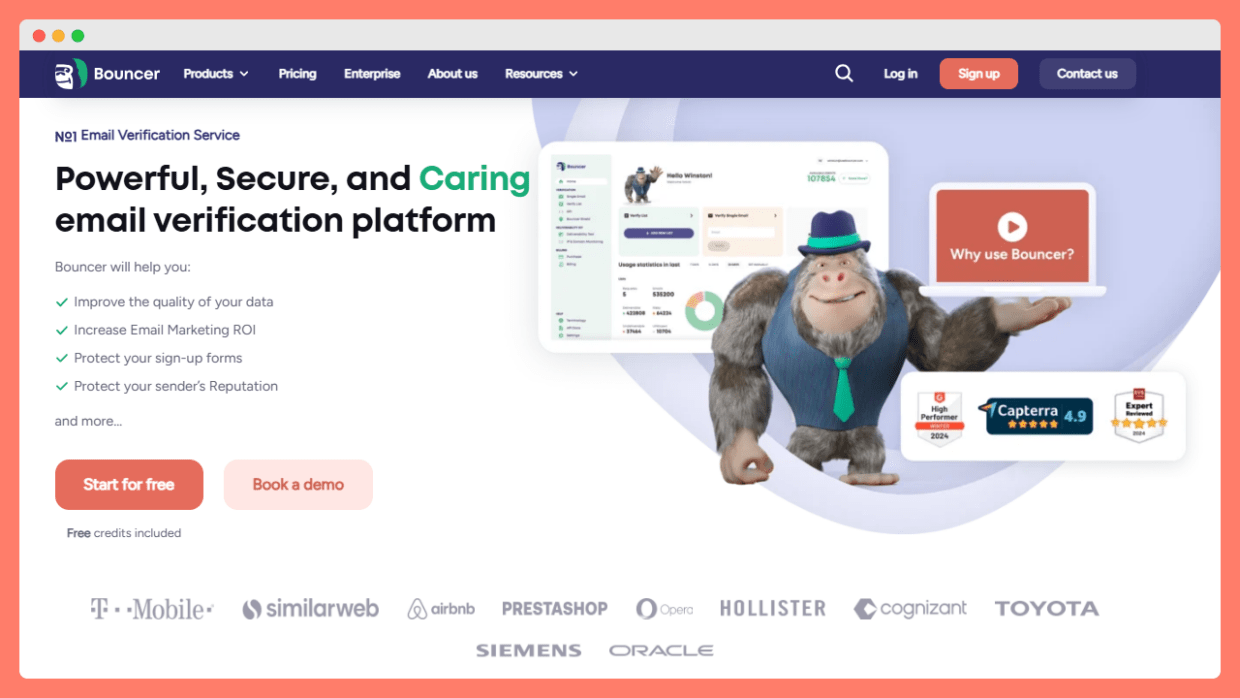
The email verification process does not usually send an actual message to the person. Instead, it checks technical signals to estimate the validity of an email. A tool like Bouncer helps teams verify email addresses before sending, so they can clean up risky data without manually checking every single email address.
What happens without email verification?
Without email verification, your list slowly turns into a guessing game. Some contacts are real. Some are outdated email addresses. Some are fake. Some belong to people who never wanted to hear from you. The problem is that your email platform may treat all of them as equal until your results start dropping.
Bad data can create several problems. Invalid addresses increase bounce rates. Fake email entries pollute your CRM. A disposable email may let someone access your content without leaving a usable contact. An unverified email can also create account issues if your product relies on email registration or login.
The larger your list grows, the more expensive this becomes. You may pay your email service providers for contacts that cannot receive mail. Worse, you may damage domain trust over time. Without verification, a list that looks big on paper can become weak in practice.
What are the main benefits of email verification?
The benefits of email verification start with cleaner data. When you remove invalid addresses, you make your email database more useful for marketing, sales, support, and product communication. Teams can trust the data instead of questioning every campaign result.
Email verification can help reduce bounce rates, improve deliverability, and protect your sender reputation. It also helps you spend less on useless contacts. When you clean your email data before sending, each campaign reaches a more accurate audience.
There is also a strategic benefit. Email verification gives you confidence. You know that the people in your list are more likely to be reachable. That makes your reports more honest. If a campaign underperforms, you can look at message, offer, timing, and segmentation instead of wondering whether half the list was broken from the start.
What types of email verification should you know?
There are several types of email verification. The simplest type checks syntax. It confirms that an email address follows the expected format. This is helpful, but it is not enough on its own.
The next type checks domain and server signals. This helps determine whether the email address exists at a domain that can receive mail. Then there are risk-based checks that flag temporary email, disposable email, role-based inboxes, and other questionable contacts.
You may also see single checks, list verification, bulk email checks, and real-time verification. A single email address check is useful for quick manual review. Bulk email verification works better when you need to clean a full list. Real-time email verification helps stop bad data at the source, before it reaches your CRM or email platform.
When should you verify email addresses?
You should verify your email list before major campaigns, especially if the contacts are old, imported, purchased through poor-quality sources, or collected from events. Even legitimate email contacts can become invalid over time.
You should also verify email addresses before onboarding new leads into sales sequences. If your sales team works from an unclean list, they may waste time on contacts that cannot receive messages. That lowers productivity and creates misleading performance numbers.
Another good moment is before migration. If you move contacts between marketing tools, CRMs, or automation platforms, run email list cleaning first. There is no point in moving bad data into a new system. Bouncer can help with bulk checks and list cleanup, so your new setup starts with healthier records.
How does real-time email verification protect signup forms?
Real-time email verification checks an address while a person is still filling out a form. This protects signup pages, newsletter forms, free trial registrations, webinar pages, and checkout flows from bad entries.
For example, if someone types an email address that doesn’t exist, real-time verification can ask them to correct it before they submit. This is much better than discovering the issue later when an onboarding message, receipt, or product update fails.
Real-time verification is especially useful for products that rely on email as part of account access. If someone enters a fake email during registration, they may never verify their email or receive account information. With a verification api, teams can check addresses at the point of entry and prevent low-quality contacts from entering the system.
How can email verification improve deliverability?
Email deliverability is affected by many factors, but list quality is one of the most practical ones to control. If you repeatedly send messages to invalid addresses, mailbox providers may treat your future messages with more suspicion.
Email verification helps improve deliverability because it reduces bad sends. Fewer hard bounces mean fewer negative signals. A cleaner list also means your engagement metrics become more meaningful because more of your emails go to people who can actually receive them.
This is also how you protect your sender reputation. Your reputation is not built from one campaign. It grows or weakens over time. Using email verification before important sends is a best practice because it reduces avoidable risk and supports healthier long-term email performance.
What is the role of email verification in a stronger email strategy?
The role of email verification is not to replace good marketing. It supports it. You still need useful content, clear offers, good timing, and smart segmentation. But those efforts work better when your list is clean.
A strong email strategy treats data quality as part of campaign planning. Before you send emails, you check the foundation. Are the contacts still reachable? Are there invalid addresses? Are there risky sources? Are you sending to people who have a legitimate reason to hear from you?
Using an email verification service like Bouncer helps make this process repeatable. Instead of cleaning your list once a year when results collapse, you can create a regular list hygiene habit. That keeps your email list healthier and makes your campaigns easier to evaluate.
How do you choose the right email verification service?
The right verification service should match how your team works. If you only need occasional checks, a simple upload-and-clean feature may be enough. If you collect leads every day, you may need real-time email verification and API access.
Look for clear results, reliable accuracy, useful categories, security standards, integrations, and transparent pricing. Good verification tools should not only tell you if an email address is valid. They should help you decide what to do next.
Bouncer is a good fit for teams that want practical verification without overcomplicating the process. It supports bulk email verification, real-time checks, and API use cases, which makes it useful for marketers, sales teams, and product teams. If your goal is to keep cleaner data and send with more confidence, Bouncer gives you a direct way to make email verification part of everyday work.
Can email verification stop spam signups?
Email verification can reduce spam signups because it forces a person or bot to prove access to a valid email before the account becomes useful. If an email address doesn’t exist, the signup can stay blocked, limited, or removed from the workflow.
Still, email verification is not the same as identity verification. It confirms the email, but it does not prove who the person is. A real email can still belong to a low-quality lead, a spammer, or someone using a throwaway inbox. That is why teams should implement email verification alongside rate limits, CAPTCHA, fraud checks, and basic signup monitoring.
Why should teams verify the existence of the email address before sending?
Checking the existence of the email address helps you avoid sending messages to contacts that cannot receive them. This supports address verification, protects against spam traps, and helps keep your list closer to an accurate email source of truth.
Any team that relies on onboarding, product updates, or email marketing can benefit from email verification because it reduces wasted sends and improves trust in campaign data. When you verify a contact before adding them to active campaigns, you have a better chance of working with a valid email instead of another dead record that hurts performance or feeds spam signals.
Key things to remember
- Email verification checks whether an email address is real, reachable, and safe to contact.
- Email validation can catch basic formatting problems, but deeper verification checks domain, server, and risk signals.
- Invalid addresses increase bounce rates and can hurt sender reputation.
- Verification tools help teams clean lists before campaigns, migrations, and sales outreach.
- Real-time email verification protects signup forms before bad data enters your system.
- Bulk verification helps clean older lists and reduce wasted sends.
- A verified email list gives you clearer campaign results and stronger data quality.
- Email verification is crucial for brands that rely on email marketing, onboarding, or customer communication.
- Bouncer helps teams verify contacts through bulk checks, real-time checks, and API-based workflows.


